The soju glass has a size. It is not random. Today's standard Korean soju glass holds approximately 50–60ml. This is not a coincidence — it is the product of deliberate decisions made at specific points in Korean history. The glass was shaped by economics, health trends, and the structure of the alcohol industry.
The Original Soju Glass Was Not This Size
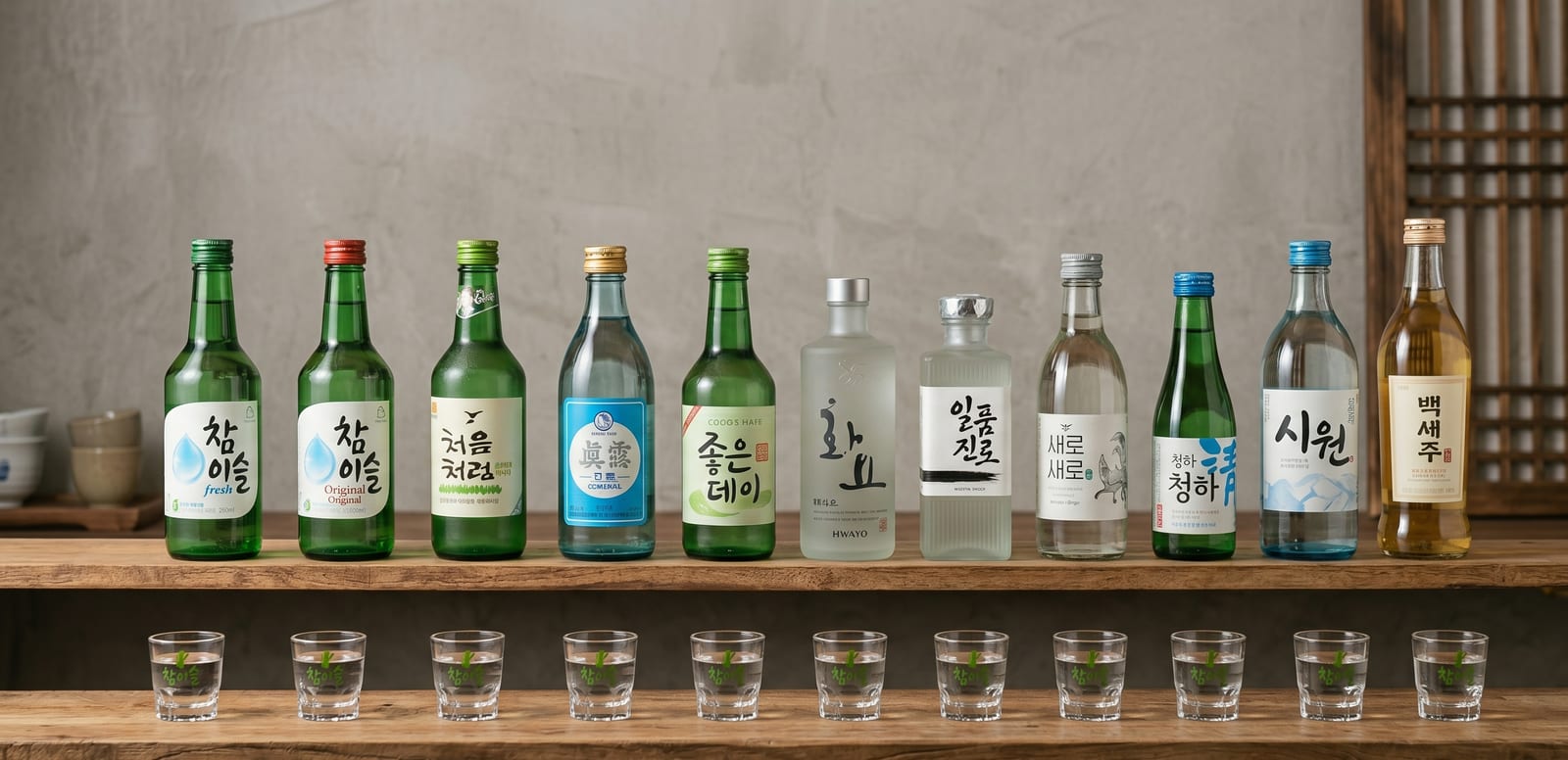
Traditional Korean distilled spirits (소주, soju) were consumed in small ceramic cups called 잔 (jan). These held around 30–40ml. This was the natural serving unit for high-strength spirits — distilled soju of the pre-modern era reached 25–40% ABV.
The modernisation of the Korean alcohol industry in the 20th century changed this. Mass production of diluted soju (achieved by adding water to grain-derived ethanol) lowered ABV significantly while dramatically reducing production costs.
Strength, Glass Size, and the Relationship Between Them
As soju strength decreased, the glass size increased. This relationship is not coincidental.
| Era | Soju ABV | Glass Size |
|---|---|---|
| 1960s–70s | 30–35% | 30–40ml |
| 1980s–90s | 25% | 45–50ml |
| 2000s–present | 16–21% | 50–55ml |
As ABV fell, the glass grew. Drinking volume was maintained while consumption volume increased. This is not merely a shift in taste — it is directly connected to the revenue structure of the alcohol industry.
A 360ml bottle of 25% soju yields around 7 glasses at 50ml. If the glass were 30ml, the bottle would yield 12 glasses. More glasses per bottle means each individual bottle feels more premium; fewer glasses per bottle drives higher consumption volume. The 50ml standard serves both objectives depending on how it's framed.
What Did the Glass Shape Change?
The modernisation of the soju glass changed drinking culture beyond just volume.
The ritual of filling. The small, cylindrical glass — easy to fill in a single pour — became the vehicle for Korean drinking rituals: filling another's glass, turning away to drink out of respect for elders, the "one-shot" (원샷) culture. The glass's small size and simple form make these gestures natural.
The drinking pace. A 50ml glass empties quickly. The cycle of pour-drink-pour maintains a social rhythm at the table. Larger glasses would slow this rhythm and change the social dynamic of Korean drinking culture.
Pairing with food. Korean drinking culture is almost always food-paired. Anju (side dishes for drinking) are ordered specifically to accompany the alcohol. The small soju glass — emptied quickly, refilled often — keeps both food and drink in active rotation throughout the meal.
The Soju Glass Today
Contemporary soju culture is in transition. The emergence of craft distilled soju (true 증류식 소주, distilled rather than diluted) at 25–40% ABV is reopening questions about the appropriate vessel.
Craft soju producers and enthusiasts have begun serving in whisky glasses — Glencairns, Copitas — to better appreciate aroma. Some high-end Korean restaurants now offer premium soju in wine glasses.
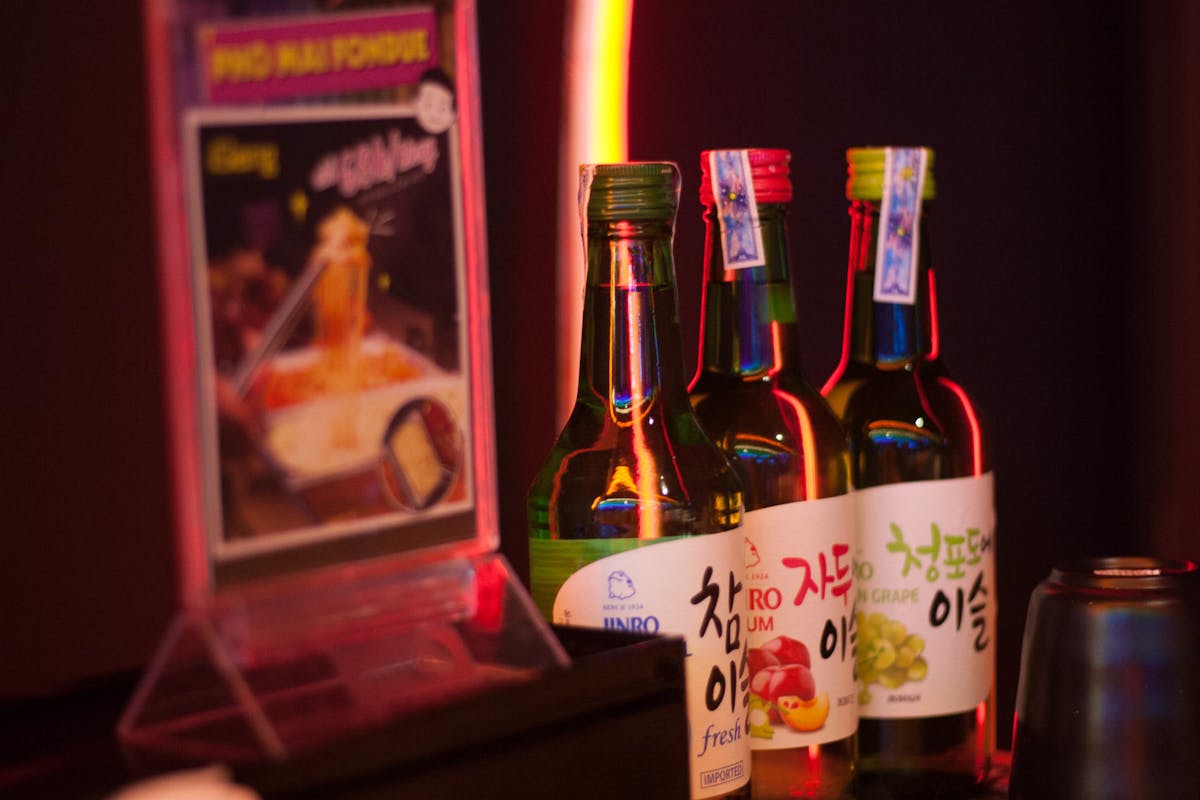
The standard soju glass is unlikely to disappear. But the conversation around it has opened: what is the right vessel for soju? The question would have seemed strange a generation ago. Now it is being asked.
The Glass Note · Glass Stories continues