The Balvenie

ScotlandSingle MaltSpeyside
The Balvenie
Founded1892
DistillerySpeyside · Dufftown
OwnerWilliam Grant & Sons
StyleSingle Malt
SignatureCask finishing · own malting
CoreDoubleWood 12 · Caribbean 14 · 21

The honeyed single malt — and the distillery that invented cask finishing.

Flavourofficial / critical
HoneyVanillaOrangeSherryOakDried fruit
Glossaryfor beginners
Single maltWhisky made at one distillery from malted barley only.
Cask finishA final spell in a different cask to add aroma — the technique Balvenie's David Stewart made mainstream.
DoubleWoodBalvenie's signature method: matured in bourbon casks, then finished in sherry casks.
Floor maltingGerminating barley spread on a floor, the traditional way; Balvenie keeps its own maltings.
Range & Collections
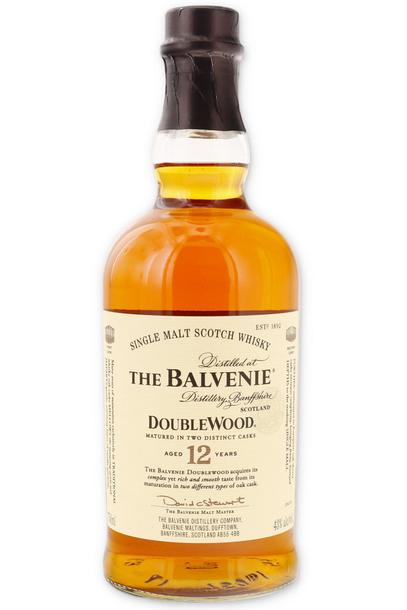
DoubleWood 12yoBourbon-matured then sherry-finished. The honey-and-sherry balance that defines Balvenie.
Caribbean Cask 14yoFinished in Caribbean rum casks for added vanilla and toffee — a popular line.
Single BarrelBottled from one barrel — 12, 15 and 25 years.
PortWood 21yoAn aged premium finished in port pipes.
Tun 1401/1509 · LimitedLimited batchings married from a few casks in a large vat.
Value by AgeData-based2026.6 as of
DoubleWood 12yoCore · entry~£55
Caribbean Cask 14yoRum finish~£75
PortWood 21yoAged premium~£250
50yoAged limitedTens of thousands £

Balvenie fills the collector end with aged limiteds like the 50-year-old and the Tun series, but its real weapon is the broad appeal of DoubleWood and Caribbean Cask. As the Grant family's sister distillery to Glenfiddich, the two are often cast together — Glenfiddich for volume, Balvenie for craft.

Prices are approximate retail / duty-free · Limited editions at brand list price (volatile) · Not a personal tasting score

How It’s Made

Balvenie's DoubleWood method matures in bourbon casks (American oak) then finishes in sherry casks, laying sherry depth over a soft honey-and-vanilla sweetness. Malt master David Stewart made this cask-finishing technique mainstream, and keeping the old crafts — own barley, floor malting, cooperage — on site is Balvenie's pride.

The start of cask finishingMalt master David Stewart made the cask-finishing technique mainstream with DoubleWood in the 1980s–90s.
A honeyed signatureThe soft honey-and-vanilla sweetness from its bourbon-and-sherry casks is Balvenie's identity.
Five rare craftsOwn-grown barley, floor malting, coppersmithing, cooperage and a malt master — the old ways kept on site.
The Grant familyA neighbouring distillery owned by William Grant & Sons, the same family as Glenfiddich.
History

In 1892 William Grant built Balvenie right next to Glenfiddich. The same family runs the two distilleries side by side, with Balvenie cast as the more hands-on, craft single malt. David Stewart worked as malt master for over 60 years and opened the path to cask finishing.

How It’s Drunk

In the US and UK, Balvenie is often recommended as 'the bottle after the entry one'. The honey of DoubleWood 12 reads as familiar yet a step heavier than Glenfiddich, and the cask-finished range rewards comparing aromas. It suits drinkers who love a soft sweetness but want more depth.

The Right GlassSignature

To bring out its soft honey-and-sherry nose, a glass that gathers the aroma — a Glencairn or copita — suits it well. The 12 and 14 are around 40%, fine neat, opened by a single drop of water if shy. Aged bottlings like PortWood reward a glass that lets you nose the evolution slowly.

See Also

Sources · Production & range — thebalvenie.com · Limited editions at brand list price · Product image — The Balvenie