GlenDronach
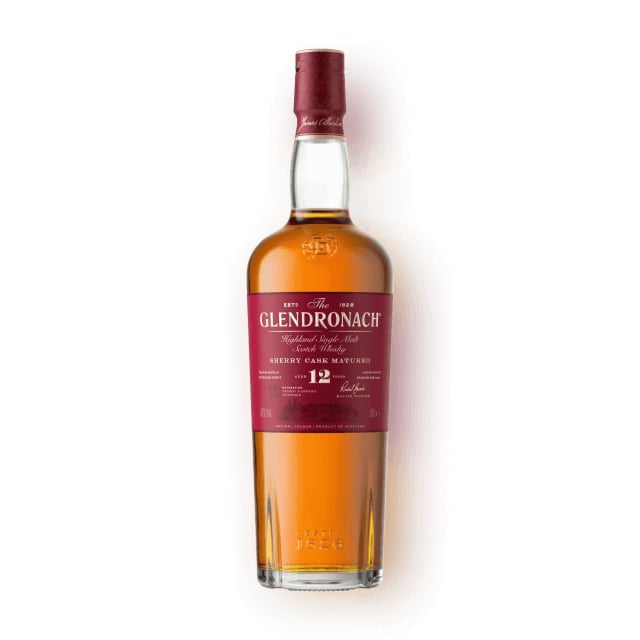
A sherry bomb that took a different road from Macallan — a Highland malt soaked through with sherry.
You can't talk about GlenDronach without talking about Billy Walker. He bought this mothballed, half-forgotten distillery in 2008, released its hoarded sherry stock and a run of vintage single casks, and rebuilt it into a sherry name. As the 1970s–90s spirit he unearthed drew acclaim from critics and enthusiasts, GlenDronach climbed from an insider's sherry to a required stop for anyone who loves the style.
The Revival 15 sits at the centre of that comeback. When it went out of stock for a while and then returned, what fans welcomed wasn't just a re-release but a sign the brand's identity was still intact. Full sherry maturation means costly casks and tight volumes, so the tug-of-war between discontinuation and revival is always priced in. That's part of why the 18yo Allardice and 21yo Parliament cost more than bourbon-matured malts of the same age.
Direct firing is the easy thing to misread. GlenDronach was among the last to heat its stills over a coal flame, keeping it until 2005 before switching to steam — which trails the line that the old spirit tasted better. Drink them side by side, though, and the difference is hard to call: the sherry cask's influence is so large that the change in distillation tends to vanish beneath it. The premium on old vintages is as much the price of scarcity as of any clear edge in flavour.
If you're starting out, the 12yo is the sensible place to begin — confirm whether this dense sherry sweetness is your taste, then climb to the 15 or 18 if it is. Where Macallan is the tidy sherry, GlenDronach is the rougher, weightier one; set the two side by side and you learn that even inside a single phrase like "sherry bomb" there are very different grains.
The 1970s–90s vintage single casks that Billy Walker revived trade in the thousands at auction. But GlenDronach's real strength isn't the top end — it's a core range that delivers deeper full-sherry maturation than most sherry malts at the same price.
Prices are approximate retail / duty-free · Vintages at auction / limited price (volatile) — not a personal tasting score
GlenDronach stakes everything on sherry. Where most whisky leans on bourbon casks by default, here Spanish Pedro Ximénez and Oloroso sherry casks take the lead. The result runs dark, dense with concentrated sweetness — raisin, dried fig, dark chocolate. As sherry bombs go, if Macallan is the polished, balanced kind, GlenDronach is the rougher, richer Highland version.
Founded in 1826 by James Allardice at Forgue, Aberdeenshire — one of the early distilleries licensed just after Scotland began legalising its stills. It went through hard times in the late 20th century and was mothballed for a spell, until Billy Walker bought it in 2008 and rebuilt its sherry reputation. Since 2016 it has been run by America's Brown-Forman, owner of Jack Daniel's.
GlenDronach is closer to a cult than a household name — long talked up among British and European malt lovers as value sherry, and the Revival 15's return was a small event in itself. In other markets it has settled in as the name sherry beginners reach for after Macallan. The sweetness is so dense, though, that anyone after a lighter dram may find it heavy going.
Heavy, sweet and oily on the nose, it calls for a tulip glass that gathers aroma — a Glencairn or copita — while a big lump of ice only shuts the sherry down. Most bottlings sit at 43–46%, so water is rarely needed, but a single drop unlocks the concentrated sweetness in cask-strength batches. Hold it by the base and let it settle; if the nose stays closed, cup the bowl to warm it slightly.
Sources · Production & range — glendronachdistillery.com · Vintages at auction / limited price · Product image — GlenDronach