
Rosebank
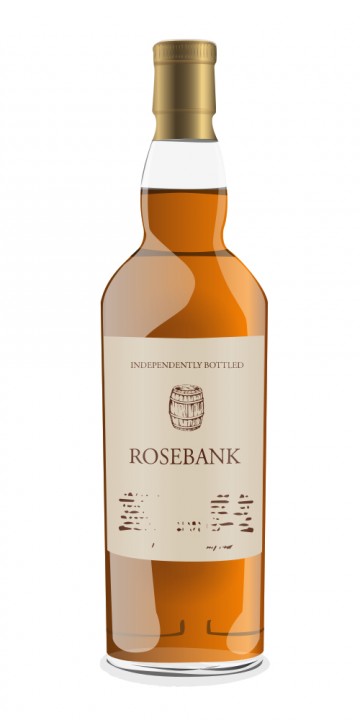
The king of the Lowlands — delicate, triple-distilled. Lost, then found again.
Rosebank occupies an odd place in the whisky world. Far more people know the name than have tasted it, and much of that fame was built after it closed in 1993. It was rated the finest Lowland even while running, but the "lost classic" myth was only completed once it vanished — a paradox of a brand.
The heart of it is triple distillation. Most Scotch is distilled twice; Rosebank runs three times. That strips out more of the heavier compounds, leaving a light, clean spirit closer to grass, lemon and blossom. It stands at the opposite pole from whiskies that trade on peat smoke or sherry sweetness. That delicacy is, to some, its greatest charm — and to others, blandness.
Closure only pushed the price up. With no more being made, the dwindling stock sent old-vintage prices soaring, and 1990s spirit now trades in the thousands at auction. In 2017 Ian Macleod bought the brand and the stock, and in 2023 built a new distillery near the original site, restarting distillation after thirty years.
One thing to sort out before buying: the pre-closure spirit and the post-2023 spirit share a name but are entirely different drinks in price and character. Even the relaunch core leans aged and pricey early on, built from old stock. It will take more time before newly distilled spirit matures enough to arrive at a sensible price.
After it fell silent in 1993, Rosebank soared in price as a 'lost classic.' Vintages distilled before closure trade in the thousands at auction. The 2023 restart has it flowing again, but the old and new spirit are effectively separate markets in price and character.
Prices are approximate retail / duty-free · Old vintages at auction / limited price (volatile) — not a personal tasting score
Rosebank's identity is triple distillation. Where most Scotch is distilled twice, Rosebank runs it three times for a lighter, cleaner spirit. So instead of peat smoke or sherry weight, delicate notes of grass, lemon and blossom lead — the reason it has long stood for the light Lowland style, at the opposite pole from heavy whisky.
Founded near Falkirk in 1840, it earned a name as the finest Lowland single malt through the 19th century. But it closed in 1993 amid owner strategy and site constraints, and some of its equipment was even stolen. In 2017 Ian Macleod acquired the brand and stock, and in 2023 built a new distillery near the original site, restarting distillation after thirty years.
Rosebank is a whisky more people know by name than by taste — a drink for collectors and enthusiasts. Its 'lost classic' image hardened as old-stock prices soared after closure. Less familiar to general drinkers, it carries weight among those deep into whisky as the symbol of the Lowland revival. Its triple-distilled delicacy is the draw for light-whisky lovers, and a touch plain for anyone after body.
Light and delicate on the nose, it especially suits a glass that gathers the aroma — a copita or Glencairn. Subtle grass, lemon and floral notes close down easily over a big lump of ice or in a thick tumbler. Mostly aged and pricey, it needs at most a single drop of water if shy. This is a dram to set down on its base and follow slowly.
Sources · Production & history — rosebank.com / Ian Macleod · Old vintages at auction / limited price · Product image — Rosebank