Japan's whisky consumption — combining domestic production (Suntory, Nikka) with Scotch imports — ranks among the highest in the world. Within this long whisky culture, Japan's glassmaking tradition has developed in parallel. The craft glass tradition reaching back to the Edo period (1603–1868) appears in two distinct streams in modern whisky glasses: practical, value-driven mass brands, and craft brands continuing the Edo Kiriko (江戸切子) tradition.
This guide draws on Whisky Magazine Japan, Japanese bar industry standards, and domestic import availability.
A Brief History of Japanese Glassmaking
Glass-making technology arrived in Japan in earnest through Dutch trade via Nagasaki in the 17th and 18th centuries. By the late Edo period, glass craft had flourished, and a distinctly Japanese glass-cutting technique was perfected in Edo (present-day Tokyo). This is Edo Kiriko.
Edo Kiriko is a technique for engraving geometric patterns on the surface of glass using diamond tools. The Japanese government has designated Edo Kiriko as a traditional craft and supports the continuation of the technique. Artisans continue to work primarily in the Sumida and Edogawa districts of Tokyo today.
Toyo-Sasaki Glass (東洋佐々木ガラス)
Founded 1910, Osaka | Character Japan's largest glassmaker; practicality and value
Toyo-Sasaki Glass has set the standard for household glassware in Japan since its founding in 1910. It is estimated that approximately 70% of Japanese restaurants and bars use Toyo-Sasaki products. Practicality, durability, and reasonable pricing are its hallmarks.
On-the-Rocks Glass LS101-09 (approx. 10,000–20,000 KRW / approx. 270ml capacity)
Lead-free tempered crystal with high clarity and excellent durability. The thick base provides stability and is designed to match the Japanese on-the-rocks whisky culture. Suitable for both home and commercial use; available from Japanese tableware importers and online platforms domestically.
HS Reinforced Series (approx. 20,000–40,000 KRW)
A line applying Toyo-Sasaki's proprietary tempered glass technology (HS Glass), offering approximately twice the impact resistance of standard tempered glass. Originally developed for restaurant and commercial use, its high clarity and durability have made it popular for home use as well.
ADERIA
Founded 1957 (Ishizuka Glass glassware division) | Character Mid-range crystal, traditional design
ADERIA is the glassware brand of Ishizuka Glass (石塚硝子) and a leading name in Japan's mid-range crystal market. Since its establishment in 1957, it has defined its brand identity as embedding a traditional Japanese design sensibility into glass.
Retro On-the-Rocks Glass (approx. 20,000–40,000 KRW / approx. 280ml capacity)
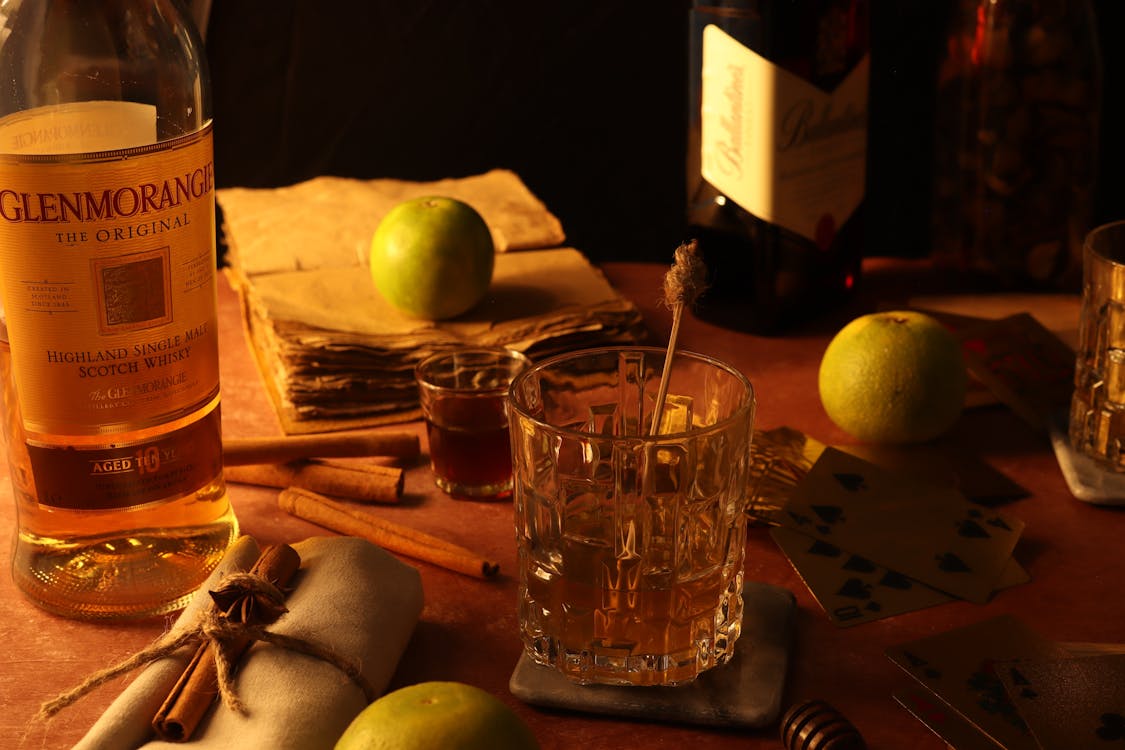
A line recreating the thick-glass retro style seen in Japanese kissaten (喫茶店, traditional Japanese cafés) of the 1960s and 70s. The thick base and substantial weight suit on-the-rocks drinking, and the nostalgic aesthetic has drawn a strong following among those who prefer a retro look.
Crystal Nosing Glass (approx. 30,000–50,000 KRW)
A tulip-form nosing glass similar to the Glencairn. Sometimes used in Japanese whisky specialist bars when serving Japanese single malts (Chichibu, Mars, Kaoru, etc.). The bowl is slightly larger and the glass slightly thicker than the Glencairn.
Kagami Crystal (カガミクリスタル)
Founded 1934, Tokyo | Character Edo Kiriko tradition, premium handcraft
Kagami Crystal was founded in Tokyo in 1934 and has since continued the Edo Kiriko tradition in a modern form. It is designated as a traditional Japanese craft brand by the government and has a history of supplying the Japanese Imperial Household. Kagami Crystal pieces were selected as commemorative gifts for the marriage of Crown Prince Naruhito (now the Emperor).
Edo Kiriko On-the-Rocks Glass (approx. 80,000–150,000 KRW / approx. 260–300ml capacity)
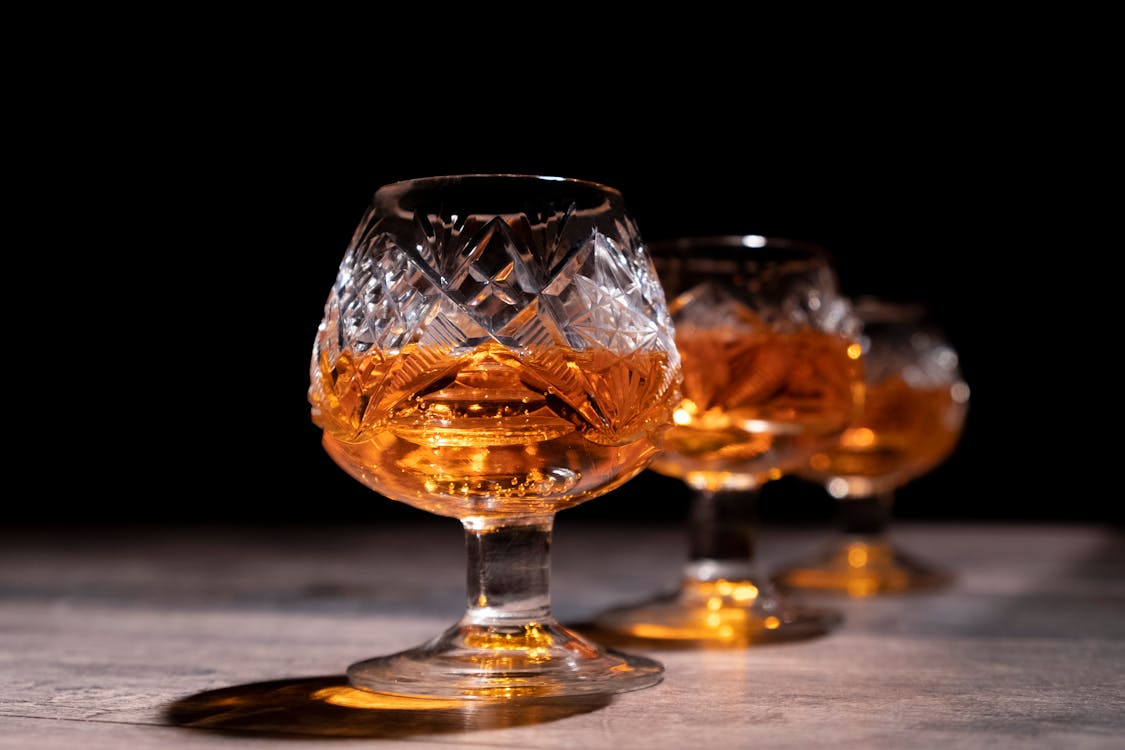
Made from high-quality crystal with a lead content of 30% or more, with traditional Edo Kiriko patterns (矢来 Yarai, 麻の葉 Asanoha, 菊繋ぎ Kikutsuagi, etc.) hand-cut directly into the glass. When light strikes, the pattern's refractions scatter the amber of the whisky in complex, multicoloured ways. The forms and patterns that cannot be replicated by machine make each glass a unique craft object.
Pair Set (2 pieces in box) (approx. 150,000–300,000 KRW)
Two Edo Kiriko glasses presented in a traditional paulownia wood box (kiribako). Frequently chosen as a top-tier gift in Japanese whisky culture. What actually builds the price at this tier is covered separately in the most expensive whisky glasses. Available domestically through Japanese direct-import platforms or department store specialty import sections.
Before you buy The crystal contains lead. If you are concerned about lead health risks, check the lead content before purchasing. The health risk from lead leaching at the level of drinking a single glass of whisky is generally understood to be very low; however, storing wine or whisky in the glass for extended periods should be avoided. These are hand-wash-only glasses, so it is worth reading the glass care guide alongside this.
Brand Comparison
| Toyo-Sasaki Glass | ADERIA | Kagami Crystal | |
|---|---|---|---|
| Price tier | 10,000–40,000 KRW | 20,000–50,000 KRW | 80,000–300,000 KRW |
| Material | Tempered crystal | Crystal | Lead crystal |
| Production | Machine-formed | Machine-formed | Hand-blown + hand-cut |
| Edo Kiriko | None | Partial | Core identity |
| Dishwasher | Yes | Yes | No (hand wash only) |
| Durability | High | Mid-high | Low (care required) |
| Where to buy | Domestic importers, direct purchase | Domestic importers, direct purchase | Direct purchase, department stores |
| Best for | Everyday use, highball | Retro aesthetic, mid-range crystal | Special occasions, gifts, collection |
How to Choose a Japanese Brand
The key question when choosing a Japanese brand whisky glass is one: Is this a glass for every day, or for a special occasion?
For daily use, Toyo-Sasaki Glass or ADERIA is optimal — high durability, easy maintenance, and the cultural context of Japanese whisky culture. For a special occasion or a gift, Kagami Crystal's Edo Kiriko line is the clear choice. The glass itself becomes a craft object, and the experience of drinking whisky takes on the added dimension of Japanese artisan culture.
The European approach to the same material is entirely different. Riedel, Spiegelau, and Zalto went toward making the glass thinner rather than engraving it, while the French three — Baccarat, Saint-Louis, and Lalique cut a clear body with no coloured overlay and compete purely through refraction. Set beside Edo Kiriko, it shows how far apart the same word — cutting — can land.
There is one more direction inside Japan, and it runs the opposite way. Tokyo's Shotoku Glass Usuhari cuts no pattern and carries no weight — its value rests entirely on a wall 0.9mm thick.