
Cask Strength whisky is bottled directly from the cask without dilution. ABV varies by expression but typically falls between 55 and 65 degrees, occasionally above 70. This is a completely different experience from the same distillery's standard bottling (40–46%).
The problem is the glass. The Glencairn — designed for standard ABV — reveals its weaknesses when faced with cask strength. This is a repeatedly discussed topic in the whisky community, and a key reason professional blenders prefer Copita-style glasses when evaluating high-ABV products.
What Is Cask Strength?
Whisky changes in ABV as it matures in oak casks. Strength immediately after distillation is typically 60–70 degrees. Moisture evaporates and is absorbed during maturation, shifting ABV gradually. Standard bottling adds distilled water before release to reach 40–46 degrees.
Cask strength skips this dilution. The whisky goes from cask to bottle. ABV varies by maturation conditions and duration — even the same distillery's cask strength varies batch to batch. This variability is itself a characteristic of cask strength.
The appeal of cask strength is aroma density and complexity. Without added water, the whisky's original aroma compounds are preserved intact. The drinker controls dilution to their preferred concentration.
Why the Glencairn Struggles at High ABV
The Glencairn's design principle is aroma concentration. A wide bowl gathers aroma compounds; a narrowing rim focuses them towards the nose. This structure is effective at standard ABV.
At cask strength, this structure backfires. Alcohol vapour concentrates along with the aroma compounds. When alcohol irritation fills the nose on first nosing, it blocks the delicate fruit aromas, spice, and oak notes that follow before the senses can register them.
Reddit r/Scotch threads on cask strength consistently and repeatedly report this problem. The expression "nosing cask strength in a Glencairn starts with an alcohol punch" appears again and again.
That Whisky Advocate reviewers use a technique of holding the glass at distance from the nose rather than bringing it right to the rim when evaluating high-ABV products is itself a workaround for the structural limitation of the glass.
Even the same whisky smells different in a different glass. Cask strength is the category where this difference is most pronounced.
What a High-ABV Glass Should Do
Three structural criteria for a glass suited to high-ABV whisky:
The bowl must be wide. A wider bowl creates space for alcohol vapour to disperse, reducing its concentration. Aroma compounds still evaporate adequately, but the effect of alcohol vapour concentrating first is mitigated.
The rim must not narrow sharply. A rim that narrows too abruptly concentrates both aroma and alcohol vapour together. A gradual narrowing creates a balance between alcohol irritation and aroma.
A stem is advantageous. Palm heat warms high-ABV whisky and accelerates alcohol evaporation. A stem prevents hand contact with the bowl, buying time to let the aromas open calmly.
Glass by Glass
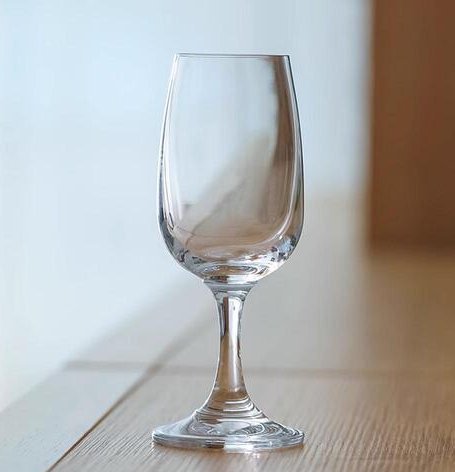
Copita — The Professional Choice
Scottish distillery blenders and master distillers prefer Copita-style glasses for high-ABV internal evaluation. The stem cuts off hand heat; the wider bowl versus the Glencairn disperses alcohol irritation.
The Malt Whisky Yearbook records multiple blenders' views that the Copita has an advantage over the Glencairn for analysing the aroma layers of cask-strength whisky.
Norlan — The Modern Alternative
The double-wall structure maintains stable temperature; the wide bowl disperses alcohol irritation. Not as specialised as the Copita for aroma analysis, but a balanced choice for those who want both nosing and drinking ease with cask-strength whisky.
The Norlan is frequently cited on Reddit r/Scotch as "a modern alternative suited to cask strength."
Bordeaux Wine Glass — The Unexpected Option
Some cask-strength enthusiasts use a Bordeaux wine glass. The large bowl and wide opening disperse alcohol most effectively of all. Aroma concentration is reduced, but because cask strength is so aroma-rich, this is less of an issue — at least according to those who use this method.
The downside: the aroma disperses so much that subtle nuances can be hard to analyse. Best suited for enjoyment rather than evaluation.
Glencairn — Usable, But With Technique
Using the Glencairn for cask strength isn't impossible. Compensate with these approaches:
- Keep your distance. Don't bring the nose straight to the rim. Start 5–10cm above the glass and approach gradually.
- Pour less. Reduce the total aroma volume and the irritation is reduced proportionally.
- Add a few drops of water. A few drops of distilled water reduces alcohol irritation and can open new aromas.
On Adding Water
Adding water to cask-strength whisky is a matter of personal choice. There's no right or wrong.
What does water actually do? According to whisky researchers, water affects the molecular structure of certain aroma compounds (esters, fruit compounds) in ways that reveal new aromas. Scottish whisky industry professionals call this "twice-tasted" — nosing the same whisky neat first, then again with a small amount of water added.
The ideal water to use is distilled water with no mineral content. Minerals in tap or mineral water can influence the whisky's aroma.
How much? Start with 10–20% of the whisky's volume. For 50ml of whisky, that's 5–10ml. Watch how the aroma changes the moment water is added, and find your preferred balance.
ABV-Based Glass Selection Guide
| ABV | Typical Style | Recommended Glass |
|---|---|---|
| 40–46% | Standard single malt, blended | Glencairn, Copita |
| 46–55% | Non-chill filtered, natural colour | Copita, Glencairn (with distance) |
| 55–65% | Standard cask strength | Copita, Norlan |
| 65%+ | High-strength cask strength | Copita, Bordeaux wine glass |
Representative Cask Strength Whiskies
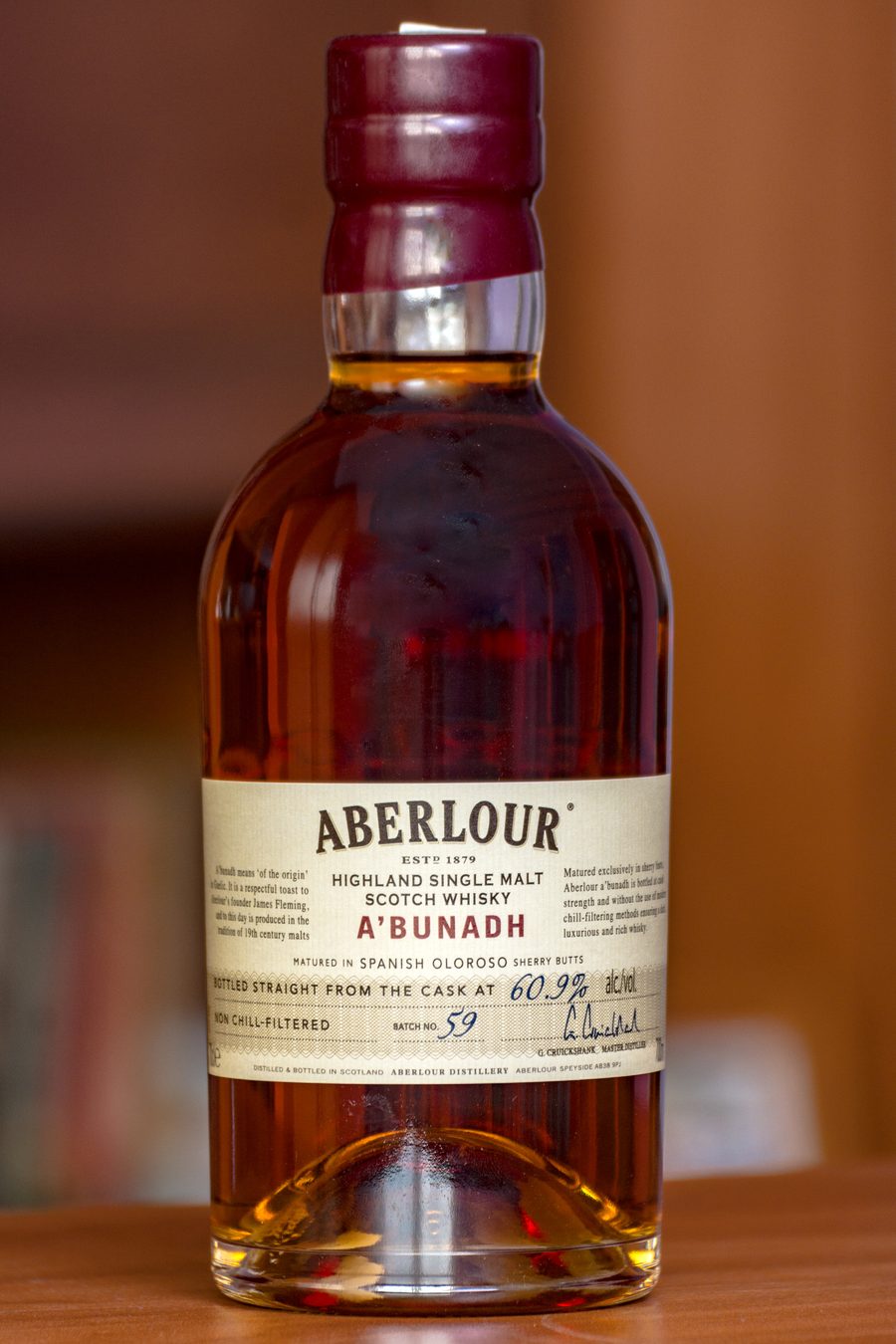
Aberlour A'bunadh
ABV varies by batch, commonly 59–62%. A Speyside single malt, sherry cask matured, with dense dried fruit, dark chocolate, and ginger spice. The most frequently cited introduction to cask strength. Despite the ABV, alcohol irritation is comparatively mild; adding a small amount of water opens the aroma considerably. In a wide-bowl Copita, the sherry-derived aroma layers unfold sequentially.
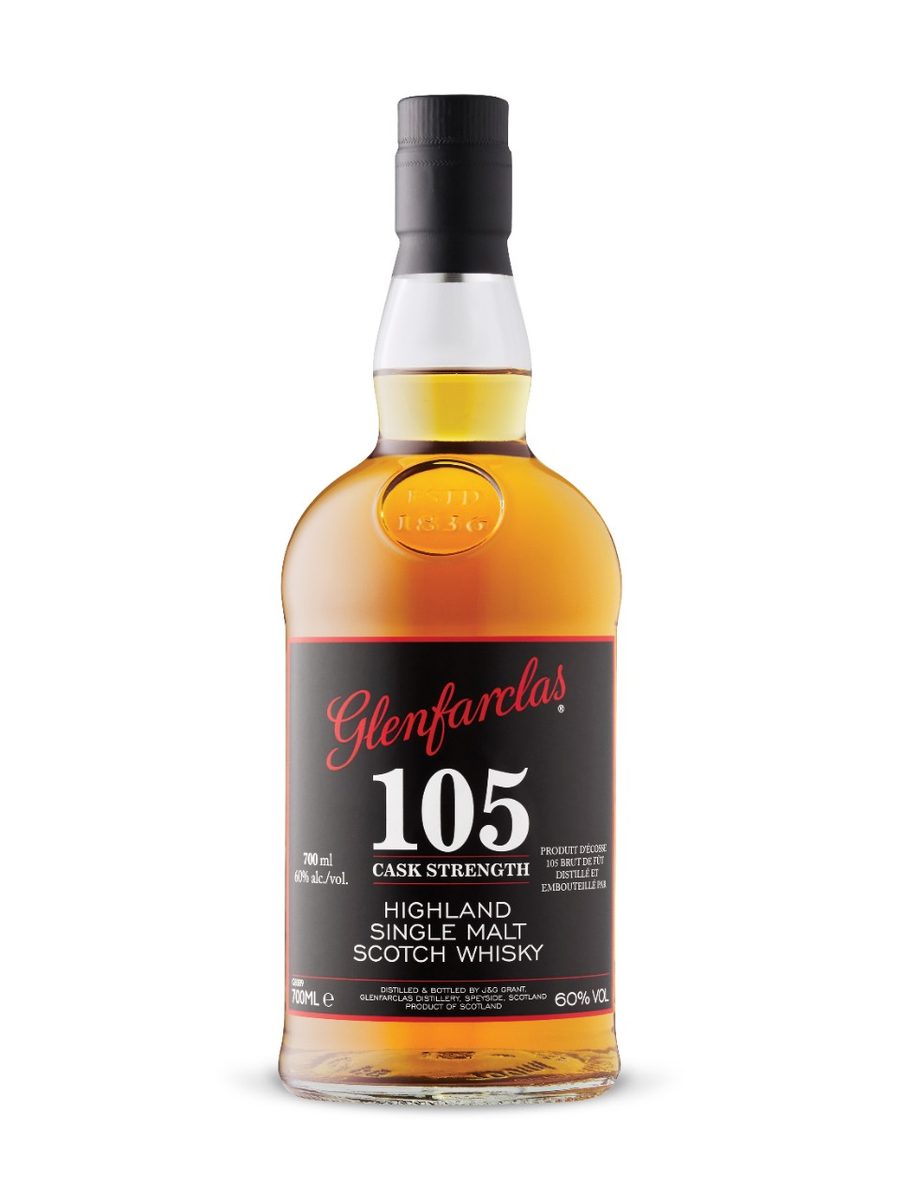
Glenfarclas 105
Fixed at 60% ABV. The cask-strength line from family-owned Speyside distillery Glenfarclas. "105" refers to 105 British proof — 60% in today's measure. Sherry oak maturation gives a rich, sweet character, but unlike A'bunadh, tannin and dry oak nuance provide balance. Widely considered the benchmark for cask-strength value. Alcohol irritation is lower and aroma development cleaner in a Copita than in a Glencairn.
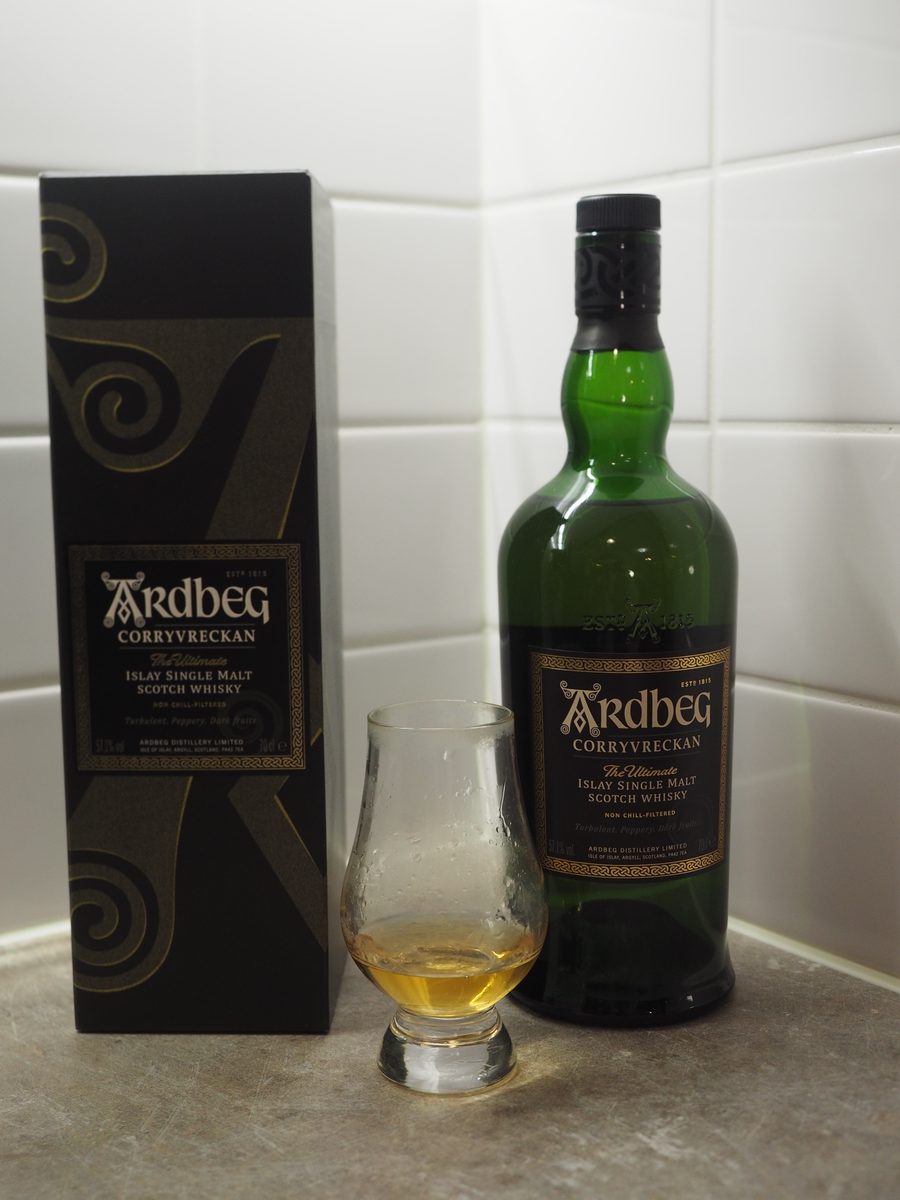
Ardbeg Corryvreckan
Fixed at 57.1% ABV. Islay distillery Ardbeg's flagship cask-strength expression. Intense peat smoke alongside French oak cask notes of blackberry, dark chocolate, and anise. Considered one of the most complex peated high-ABV whiskies available. In a Glencairn, peat smoke and alcohol tend to arrive simultaneously; in a Bordeaux wine glass or wide-bowl Copita, it becomes easier to catch the fruit and oak notes behind the peat.
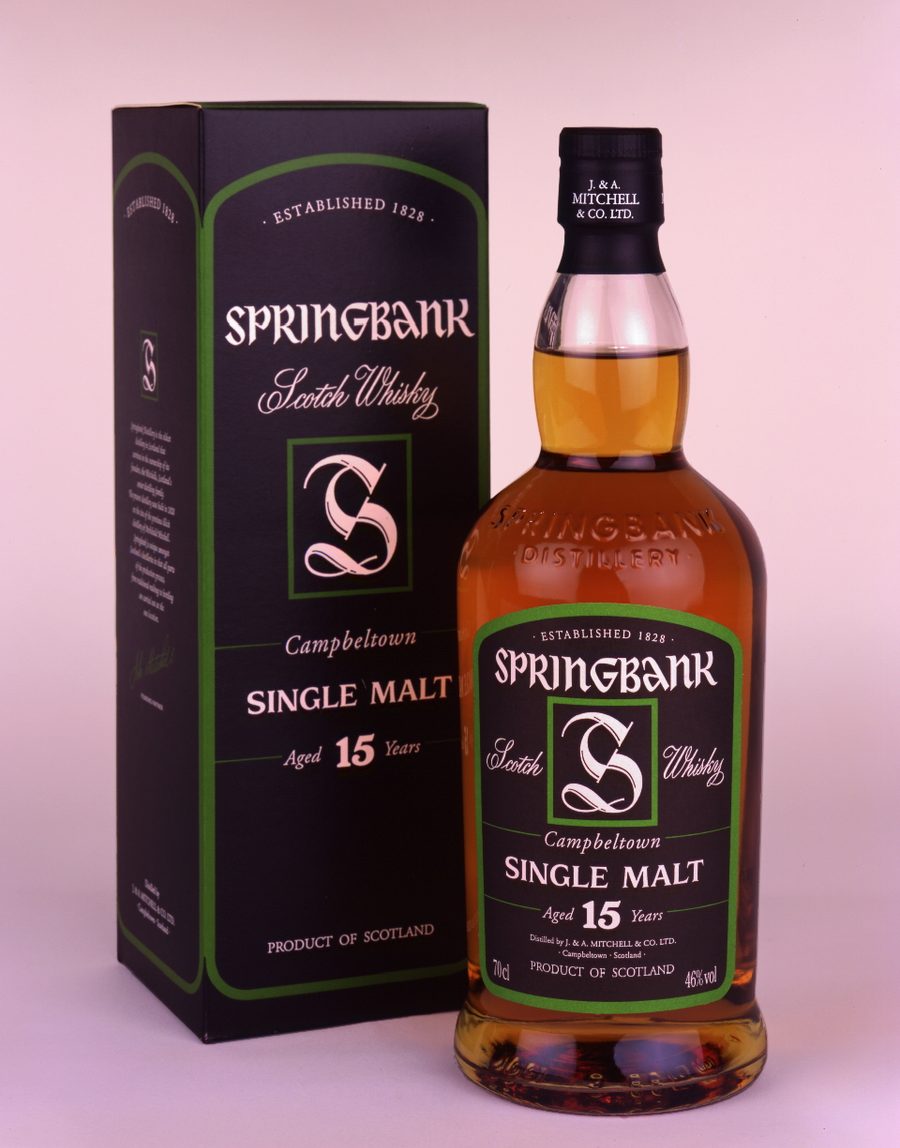
Springbank Local Barley
ABV varies by vintage, typically around 54–56%. A limited series from Campbeltown's Springbank, using only Scottish locally-grown barley. Springbank's characteristic waxy texture, coastal salinity, vanilla, and tropical fruit aromas appear in complex combination. Limited production and vintage-to-vintage variation give it a strong following among collectors. The Copita is ideal for observing how the aroma layers evolve over time.
Conclusion
Approaching cask-strength whisky with the same glass loses a significant portion of what the whisky has to offer. The glass structure delivers the alcohol irritation first, then the senses are blocked before the delicate aroma layers that follow can be registered.
Adding one Copita to your collection changes the cask-strength experience. In terms of investment versus impact, it's among the most meaningful purchases in the whisky glass world.
The Glass Note · Whisky Glass Series continues