
You've probably had this experience at a bar.
A whisky that was perfectly average at home tastes surprisingly good when it comes back as a highball. The whisky didn't change. The soda water isn't special. But something is different — clearly, unmistakably different.
This isn't your imagination. It's chemistry.
How Carbonation Suppresses Ethanol
Most of what we dislike about whisky — especially cheap whisky — comes down to ethanol vapour. Lower-grade whiskies tend to have a higher proportion of fusel alcohols: amyl alcohol, propanol, and similar compounds produced during fermentation. These are what irritate the nose and throat, and what we mean when we say a whisky smells "cheap."
When you add soda water, two things happen simultaneously.
First, CO₂ wins the race to your nose. The carbon dioxide bubbles in a carbonated drink burst at the surface and forcefully displace surrounding gases. Ethanol vapour gets pushed aside before it reaches your nose. The alcohol assault fades, and in its place, the lighter, sweeter ester compounds — fruity notes, honey — come through relatively more clearly.
Second, dilution and temperature lock down fusel alcohol volatility. Fusel alcohols have higher boiling points than ethanol. As concentration drops and temperature falls, they stop volatilising. The standard highball ratio of 1:4 and a glass full of ice maximise this effect. The harsh elements go quiet; the lighter aromas ride up on CO₂ bubbles.
This is why a ¥500 bottle of whisky can taste good in a highball. The more fusel alcohols a cheap whisky contains, the more dramatic the improvement.
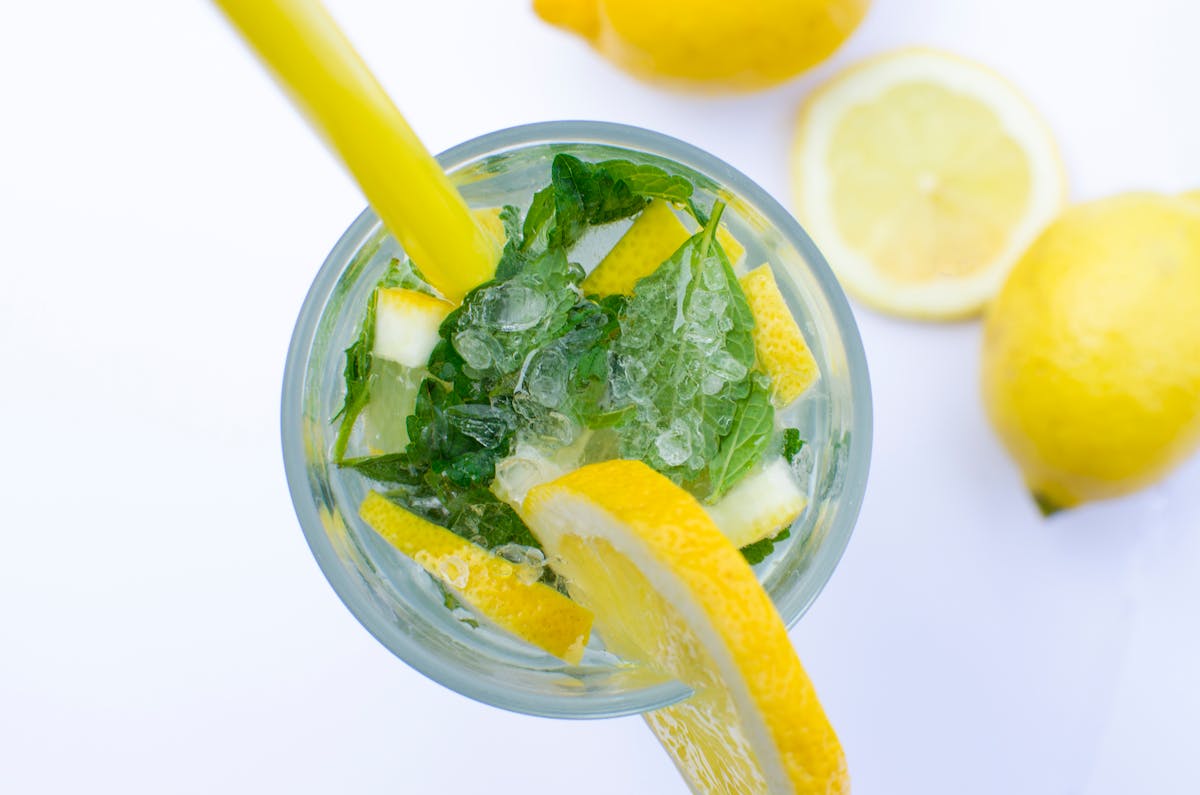
Which Whiskies Work — and Which Don't
Not every whisky improves in a highball.
Good candidates. Grain-heavy blended Scotch, Japanese whisky (especially Suntory Kakubin and Toki), Irish whisky. These are rich in light, sweet ester compounds. They survive dilution and the CO₂ carries them upward.
Poor candidates. Heavily peated Islay malts (Laphroaig, Ardbeg), sherry-matured single malts with complex, heavy profiles. The peat smoke and layered richness of these whiskies get stripped away by carbonation and dilution. Putting an expensive, complex single malt into a highball is, arguably, a waste.
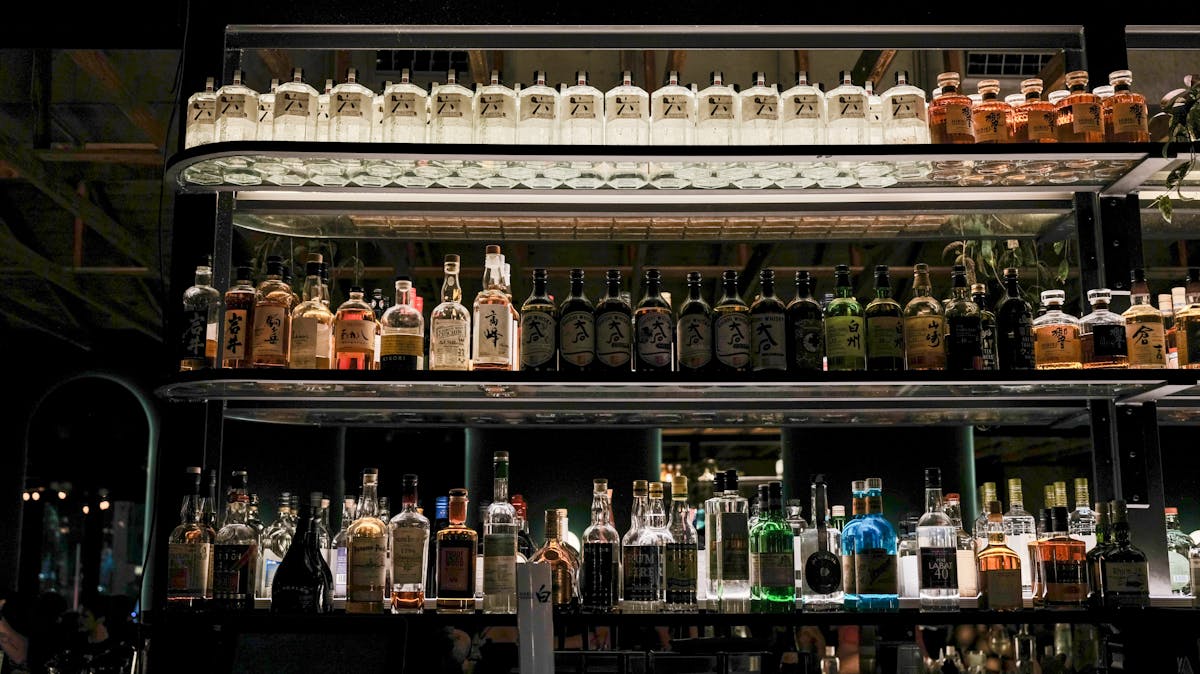
It's not a coincidence that Japan's highball culture developed around blended whisky.
How Japan Built Highball Culture
The highball traces its roots to Scotland, but Japan turned it into a culture.
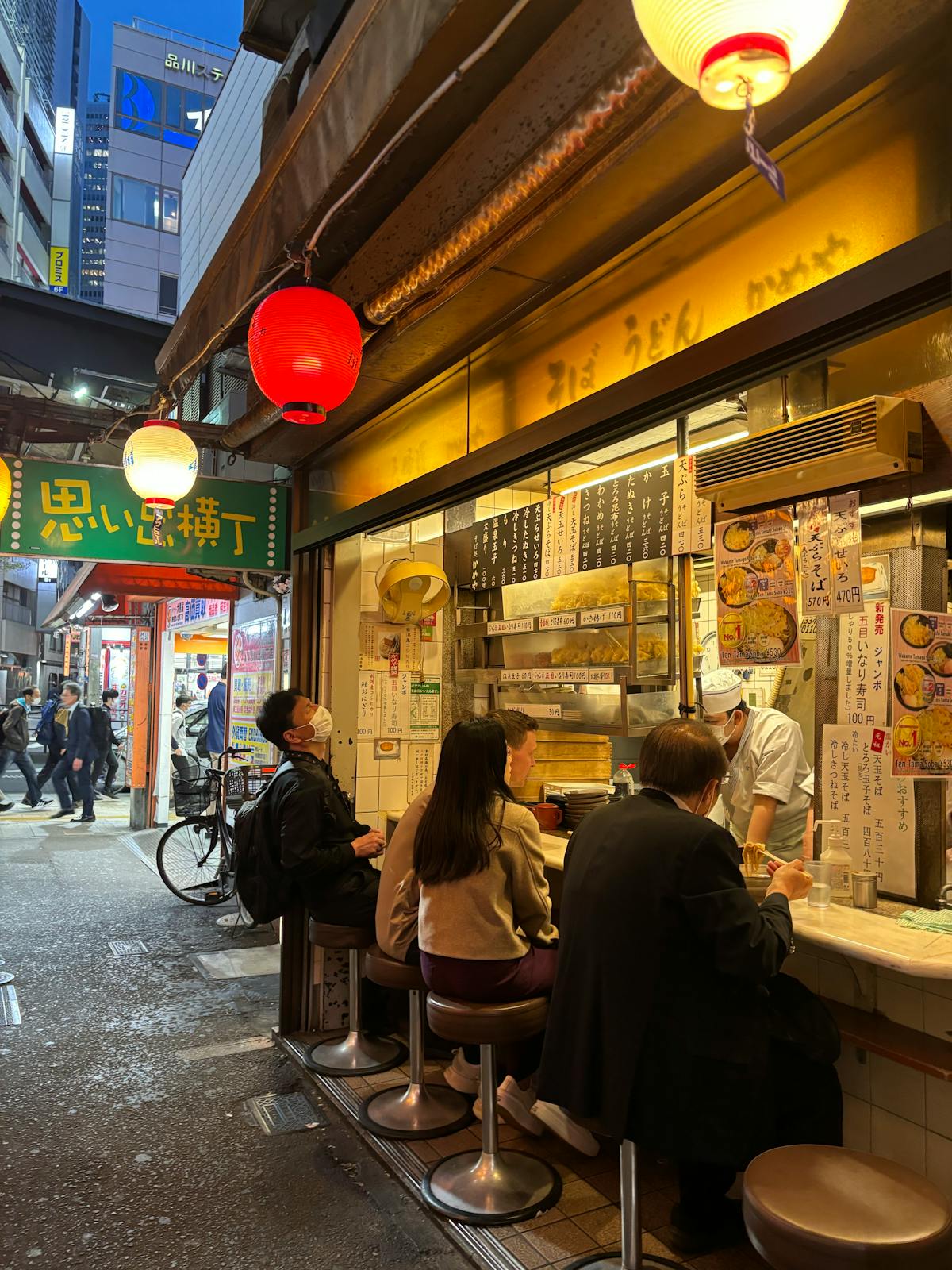
In the 1950s, Suntory needed to democratise whisky. At the time, whisky was expensive and intimidating for most Japanese consumers. Suntory combined whisky with soda water and pushed it into izakaya (居酒屋) drinking culture at an accessible price. The Kakubin (角瓶) highball became the default drink at after-work gatherings for an entire generation.
But by the 2000s, highball culture had faded — edged out by cheap beer and ready-to-drink beverages.
In 2008, Suntory launched a full-scale revival campaign. They rebranded the highball as a sophisticated, aspirational drink, placed it in the hands of popular celebrities, and rolled out dedicated chilled-carbonation dispensers to izakaya chains across the country. They standardised the recipe and trained bartenders on technique. Within a year, Kakubin sales had risen more than 40%.
The result is that Japan now owns the global standard for how a highball should be made — the ratio, the order of ingredients, the way to stir without killing the carbonation. Most highball recipes followed worldwide today trace back to what Japanese bartenders formalised during this era.
Why the Glass Needs to Be Tall
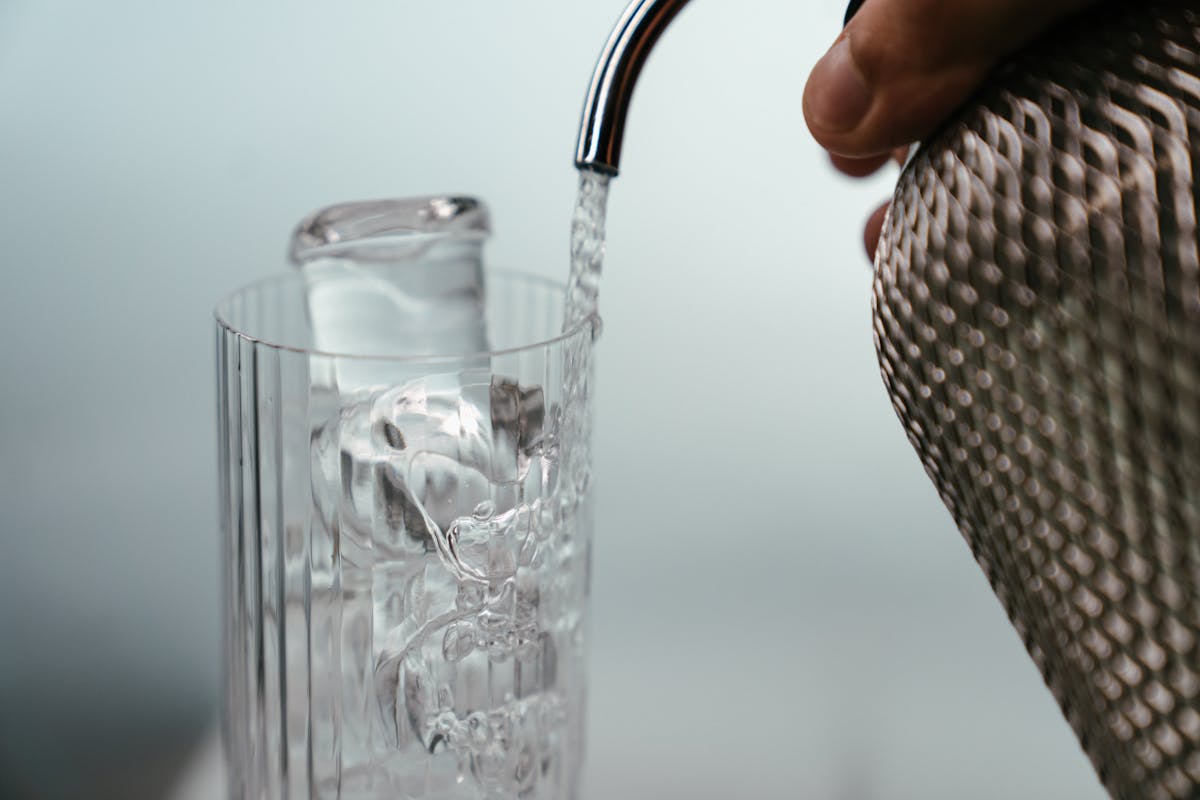
You can make a highball in a rocks glass. But a proper highball comes from a tall glass — a narrow, cylindrical vessel.
The reason is CO₂ retention.
In a tall glass, bubbles travel a longer distance to reach the surface. The longer the journey, the more time each bubble spends pulling aroma molecules upward through the liquid. And a narrow opening means CO₂ escapes the surface more slowly. The carbonation lasts longer.
In a wide, shallow glass, the soda goes flat quickly. The first few sips are fine; ten minutes later, it's limp. The reason Japanese izakaya highball glasses are noticeably tall and narrow is not aesthetics — it's physics.
How to Make One — The Japanese Standard
You'll need: 45ml whisky, 180ml strongly carbonated water (cold, not room temperature), ice (larger pieces preferred).
Order matters.
- Fill the glass completely with ice. More ice means the soda water drops in temperature instantly, which helps retain CO₂.
- Let the glass chill for about 30 seconds.
- Pour the whisky first. Stir once — just once — with the ice.
- Pour the soda water slowly, tilting the glass so the water runs down the side and doesn't crash directly onto the ice.
- Use a long spoon to stir exactly once, top to bottom. Not twice. One stir is all it takes; more than that collapses the carbonation.
The ratio is 1:4 — 45ml whisky to 180ml soda. Reduce the whisky and it's a soft drink. Increase it and you're heading somewhere else.
One Last Thing
Japan's highball revival taught something important: price doesn't determine enjoyment. The right format, the right temperature, the right technique — these matter more than the label on the bottle.
The corollary, though, is also true. Once you've had a proper highball made with a light blended whisky, you won't want to put a fine single malt through the same process. Both lessons are worth having.
Comments
Be the first to leave a comment.